
Do you have a bit of extra space in your house for an unusual or exotic pet, room for a vivarium tank or table enclosure but not sure how much it will cost? A bit of extra cash to buy equipment and regular feed but not sure which type of pet to get? Deciding on a pet to get is tricky, let alone an unusual pet like a reptile or a bird. That’s why we want to help the UK’s community of exotic pet owners with our guide to choosing the perfect pet for you.
Exotic pets are a great investment, they can give the same affection as a cat or a dog, just in different ways, they may not be cuddly and fury, but they can talk to you if they’re a bird and appreciate being petted. Each will have their own individual personalities and make great pets if you understand how to look after them properly.
We always recommend visiting an exotic pet specialist or exotic specialist vet before purchasing an unusual or exotic pet. And if you can, look into rehoming, these pets need as much love as any other and deserve a forever home.
Corn snake
Corn snakes are a popular first starter snake to own. Their living costs of a vivarium, all the tank essentials and feed are relatively inexpensive as snakes go. They are also one of the smallest species available to buy and coming in between £20-£60, they are pretty affordable too. Their size means they are easy to maintain and easy to hold. They are not poisonous or venomous and can be friendly creatures if they feel safe and happy in their environment. They can come in all different colours, mostly a red or orange stripe and are thin bodied.
More information on corn snake husbandry.
Bearded dragon
Bearded dragons are popular reptiles to take care of. They require a comfortable 40-gallon tank or larger depending on the size of your bearded dragon. They will feed on a diet of crickets, meal worms and leafy greens like kale. All of these can be found in your local supermarket or a food pet shop. You can also buy in bulk online from a reputable pet retailer. They can be fun pets to have and some may have an excitable personality. If you handle them correctly and not too often, they will enjoy a tickle under the chin. You may want to also feed them calcium every few weeks to support their daily food intake.
More information on bearded dragons.
Leopard gecko
Leopard geckos similar to a bearded dragon or other reptile, are docile creatures and easy to maintain. They ideal habitat ranges from 23.8 – 32.2 degrees Celsius, this heat level can be achieved by using a heat lamp or a heat pad underneath the tank. They don’t require a UVB light to survive but it has been noted that this will help boost the immune system and give other health benefits to a leopard gecko. A gecko will feed from meal worms, crickets wax worms and super worms but unlike a bearded dragon they won’t eat veggies or leafy greens. Every reptile is different and it’s important to distinguish a nutritional diet and the correct care for the type of reptile you are interested in.
More information on leopard geckos.
Canary
Canaries are some of the most popular breeds of parrot available to buy in the UK. These birds a friendly, colourful and have a beautiful voice. Mal canaries are better singers than females as their vocals are used in mating calls. If you’re interested in getting a canary or any other breed of parrot it’s important to purchase form a reputable avian specialist shop, breeder or rehoming society. Canaries should be housed separately from each other as they are very territorial animals. Birds eat a lot of different foods, most of which are human foods too. Veggies like corn, cabbage and parrots are popular choices but you can also feed them bird supplement feeds. Be careful that you don’t feed your bird a seed from a fruit or vegetable as these can be toxic and fatal to a bird.
Horsfield / Hermann’s tortoise
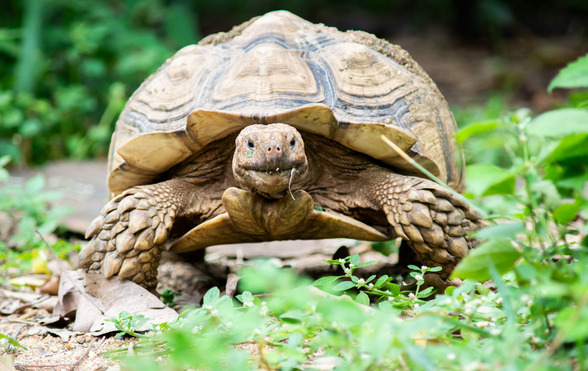
Horsfield tortoises, along with Hermann’s are the most common tortoise to have in the UK. They will need an indoor and outdoor enclosure to keep them happy. These can be handmade out of wood and chicken wire if you’re into DIY projects. However, you will need room for a basking lamp and all the electricals too. You also need to take into consideration hibernating your tortoise in the colder months. If you choose a different breed of tortoise, make sure they are a species that do actually hibernate because some do not. A tortoise’s diet should include lots of fibrous greens like kale, watercress coriander and other veggies like carrots or fruits like apples.
So, there you have it. A guide to 5 of the most popular pet choices when thinking about getting an unusual or exotic pet.
Owning an exotic pet can be a fun and rewarding experience
However, if they suffer an illness or injury, it can also be both stressful and expensive.
British Pet Insurance Services can provide the support you and your exotic pet need, whether it is with your insurance cover, making a claim or just helpful advice along the way.