
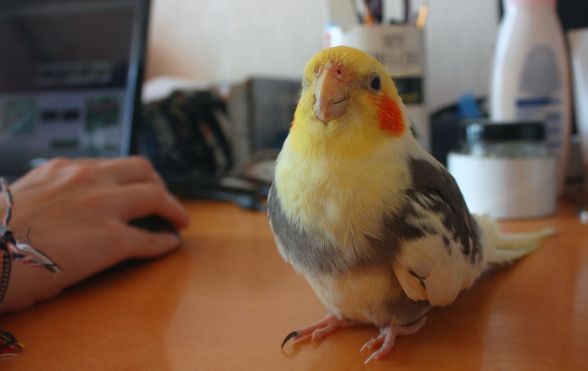
Microchipping is on the rise as a preferred method of identifying pets – though dogs and cats are most often associated with microchipping, and in many cases enforced by law, many people are opting to microchip their birds. Microchips are a small biocompatible device implanted just below the skin of your pet, it contains a unique number that identifies your pet and can be scanned to show who the animal is registered to. It is highly recommended not to microchip a bird that weighs under 100 grams.
Can I microchip my bird?
A microchip is the size of a grain of rice, for this reason it is not recommended to microchip birds that are less than 100 grams, but your avian vet can assess your bird as an individual. These chips last around 25 years, which is preferable as they tend to live long lives. Once your bird is microchipped, they can be scanned to find out the unique ten-digit code which will identify them if they are lost or stolen. If you choose to get your bird microchipped, you will have to have it done by an avian vet only.
Where will my bird’s microchip be?
Your bird will be microchipped under the skin in the breast muscle. Due to the placement, birds have a higher chance of bleeding and this is one of the reasons that it is not recommended to microchip birds weighing less than 100 grams, as it can be dangerous for them. Microchipping will not affect your birds flight or cause any discomfort after the initial microchipping. Your avian vet will be able to advise you and talk you through the procedure. Most times your bird would be under a light sedation whilst being microchipped.
Are there any health risks?
Unfortunately, as with many things, there are minor health risks than can crop up from microchipping your bird. The risk of complications is low, but it is your choice, so do some research and look around online, talk with other bird owners to find out what will suit you best. Some owners have opted not to get their bird microchipped as they feel the benefit of the microchip is outweighed by the risk of the procedure, others don’t wish to stress out their birds.
What if my bird is too small to be microchipped?
If your bird is under 100 grams and therefore too small to microchip, you can use a leg band to identify them. Leg bands have been used for a long time as a way for owners to identify their birds, but these are not without risk. Whichever option to pick to identify and protect your bird if they are stolen or go missing, it is highly recommended to pick one form, whichever that may be.
What are the risks of using leg bands?
- Leg bands can get caught on objects and can cause your bird to struggle and panic as they try to free themselves, this can cause injuries.
- The numbers printed on your birds’ band can wear off over time.
- If not fitted properly, the band can cause long-term muscle problems.
- Leg bands can easily be removed and make stealing a bird an easier option.
- Your bird may not like the band and develop behavioural issues, such as chewing it.
Owning an Bird can be a fun and rewarding experience
However, if they suffer an illness or injury, it can also be both stressful and expensive.
British Pet Insurance Services can provide the support you and your Bird need, whether it is with your insurance cover, making a claim or just helpful advice along the way.